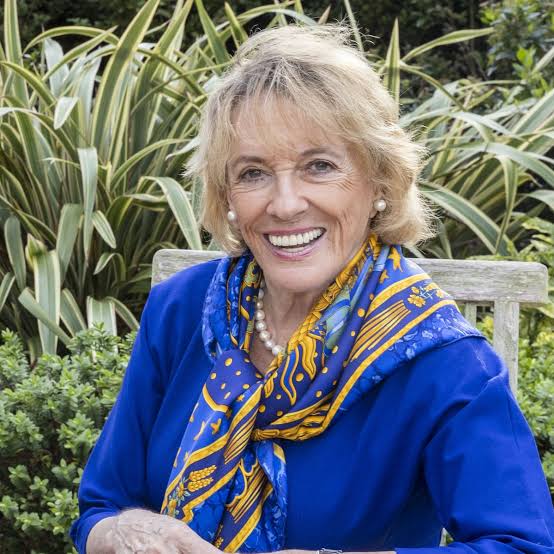
Dame Esther Rantzen, one of Britain’s most recognizable television presenters and social campaigners, has died at the age of 86. Her family confirmed her death on September 30, 2026, bringing to an end a broadcasting career that lasted more than six decades.
Rantzen was best known for presenting the BBC programme That’s Life! from 1973 to 1994. The programme mixed consumer investigations, serious social issues, comedy and human-interest stories, while Rantzen’s work outside television eventually led to the creation of Childline and The Silver Line.
In her final years, she publicly discussed her diagnosis of stage-four lung cancer and became a prominent supporter of assisted-dying reform in the United Kingdom. Her death has prompted tributes from broadcasters, charities, politicians and members of the public who remembered her contribution to British television and social causes.
Who Was Dame Esther Rantzen?
Esther Louise Rantzen was a British broadcaster, journalist, producer and campaigner. Born in Berkhamsted, Hertfordshire, in 1940, she developed a career that moved from BBC production work into television presenting, investigative journalism and charity leadership.
Her name became closely associated with That’s Life!, which she presented for 21 years. The programme was known for combining entertainment with investigations into issues that affected ordinary people.
Rantzen’s influence later extended well beyond television. She founded Childline in 1986 after an episode of That’s Life! about child abuse revealed a major need for children to have somewhere safe to seek help.
She subsequently founded The Silver Line, a confidential service intended to help older people experiencing loneliness. These organizations became central to the public understanding of her later career.
Latest Update on Esther Rantzen’s Death
As of October 1, 2026, Dame Esther Rantzen’s death is confirmed. She died on September 30, 2026, aged 86.
Her three children, Miriam, Rebecca and Joshua Wilcox, announced her death. In their statement, they described her as their adored mother and remembered her warmth, joy and guidance.
The family also highlighted the charities she established. Childline and The Silver Line became important parts of Rantzen’s public legacy, particularly because both organizations grew from concerns she had encountered during her broadcasting career.
Rantzen had been living with stage-four lung cancer after publicly announcing her diagnosis in 2023. She continued to speak publicly about her illness and about end-of-life choices before her death.
Early Life and Education
Esther Rantzen was born on June 22, 1940, in Berkhamsted, Hertfordshire. She was educated at North London Collegiate School before attending Somerville College, Oxford.
At Oxford, she studied English and participated in theatre activities. Her university years came before her entry into broadcasting, where she would eventually combine production skills with presenting and journalism.
Rantzen joined the BBC in the 1960s. Her early work was behind the scenes, including a position as a studio manager in BBC radio.
She later moved into television research and reporting. This production background gave her an understanding of how television programmes were created before she became a familiar face on British screens.
Her Career at the BBC
Rantzen became involved with Bernard Braden’s Braden’s Week in the late 1960s. The programme focused on consumer affairs and gave her an opportunity to work on stories involving everyday problems faced by the public.
When Braden returned to Canada, Rantzen became the presenter and producer of the programme that followed. That’s Life! began in 1973 and became her defining television role.
Her work was different from traditional consumer programming because the show could move quickly from serious investigations to comedy and unusual human-interest stories.
That’s Life! and Television Fame
That’s Life! ran from 1973 until 1994, with Rantzen as its central presenter. At its height, the programme attracted audiences of more than 20 million viewers.
The show investigated consumer complaints and public concerns while also examining subjects such as child protection, organ donation and safety.
Rantzen’s television work helped bring several social issues to a much larger audience. The programme also became famous for its mixture of serious reporting and lighter features, which helped it appeal to a broad family audience.
Among the programme’s memorable stories was its coverage of Nicholas Winton, who helped rescue hundreds of children from Nazi-occupied Europe. Rantzen’s programme later helped bring Winton together with people whose lives had been saved through his efforts.
After That’s Life! ended, Rantzen continued working in television. She presented the BBC Two programme Esther from 1994 until 2002 and remained involved in documentaries, interviews and other television projects.
Founding Childline
Childline became one of the most important parts of Rantzen’s life and career.
On March 16, 1986, an episode of That’s Life! focused on childhood sexual abuse. Following the broadcast, a temporary telephone service was established so children could speak with social workers.
The response was immediate. According to the NSPCC, around 100 calls were received within the first 48 hours, while thousands of letters were sent by children describing abuse and their experiences.
Rantzen recognized that the response indicated a much larger problem. She pushed for the service to become permanent, and Childline was launched nationally on October 30, 1986.
Childline eventually became part of the NSPCC. The service continues to provide confidential support to children and young people, and the NSPCC says more than six million counselling sessions have been delivered since its creation.
The NSPCC has described Childline as a lasting testament to Rantzen’s vision and campaigning work.
The Silver Line
Rantzen’s charity work was not limited to children. She also became increasingly concerned about loneliness among older people.
She founded The Silver Line in 2012. The service provided a confidential telephone helpline offering information, friendship and advice to older people.
The organization reflected Rantzen’s belief that social isolation could have a serious effect on people’s lives. It later merged with Age UK.
The Silver Line became another important part of Rantzen’s public legacy and contributed to the wider discussion about loneliness and ageing in Britain.
Family and Husband
Rantzen married television producer and documentary filmmaker Desmond Wilcox in 1977. Wilcox had his own long career in British television and documentary production.
The couple remained married until Wilcox died in 2000.
They had three children: Miriam, Rebecca and Joshua Wilcox. Rantzen also became a grandmother to five grandchildren.
Her children were with her during the later period of her life and were responsible for announcing her death in September 2026.
Esther Rantzen’s Cancer Diagnosis
Rantzen announced in 2023 that she had been diagnosed with stage-four lung cancer. She chose to speak publicly about her condition, allowing audiences to follow her experience while she continued her public work.
Her diagnosis eventually became connected to another major campaign. Rantzen became one of the most visible public supporters of efforts to change assisted-dying legislation in the United Kingdom.
She had joined Dignitas in Switzerland and had discussed the possibility of travelling there. In September 2026, she said that worsening frailty meant she was no longer able to make the journey.
Her statements were part of a broader national debate about assisted dying, terminal illness, personal autonomy and safeguards. Rantzen’s position was based on her own experience with terminal cancer, while the wider political debate included arguments from both supporters and opponents of legal reform.
Final Years and Public Campaigning
Even after her cancer diagnosis, Rantzen remained active in public life. She continued to discuss children’s welfare, older people’s loneliness and end-of-life choices.
Her approach to her illness was unusually public for a major television personality. Rather than withdrawing completely from public discussion, she used interviews and statements to explain her views about living with a terminal diagnosis.
Her final campaign was assisted-dying reform. She argued that people with terminal illnesses should have greater control over decisions at the end of life.
The subject remained controversial in Britain. Rantzen’s involvement ensured that the personal experience of terminal illness remained part of the public conversation surrounding the proposed changes to the law.
Honours and Awards
Rantzen received several major honours during her lifetime.
She was appointed an OBE in 1991 for services to broadcasting and received a CBE in 2006 for services to children.
In 2015, she was appointed a Dame Commander of the Order of the British Empire for services to children and older people through her work with Childline and The Silver Line.
She also received BAFTA’s Richard Dimbleby Award for factual programming and other professional recognition for her contribution to broadcasting.
Her charity work was recognized separately from her television career. In 2025, she received the Daniel Phelan Award for Outstanding Achievement at the Charity Awards, recognizing her work establishing helplines and campaigning on social issues.
What Made Esther Rantzen’s Career Significant?
Rantzen’s career stood out because she used mass television as a platform for issues that were often difficult to discuss publicly.
That’s Life! was entertaining, but it also investigated problems involving safety, children, consumers and health. Some of the subjects raised through the programme became national talking points.
Her creation of Childline demonstrated how television reporting could lead to the establishment of a permanent public service. The organization grew from a short-term response into a national helpline that continues decades later.
The Silver Line followed a similar pattern. Rantzen saw loneliness among older people as an issue that needed a practical response and created a service dedicated to that need.
Cause of Death
Rantzen’s death was announced on September 30, 2026. She had been diagnosed with stage-four lung cancer in 2023.
Major reports about her death identify her terminal lung cancer as the illness she had been living with in the years before her death. No separate medical diagnosis or additional cause has been announced by her family in the reporting reviewed for this obituary.
She died aged 86.
Funeral and Memorial Details
At the time of this article’s latest update, detailed public funeral arrangements had not been established in the sources reviewed.
Rantzen’s family announced her death and spoke about her as a mother and grandmother. Public tributes have also focused heavily on her broadcasting career and her work with Childline and The Silver Line.
Further memorial or funeral information may be released by the family at a later date.
Quick Facts About Dame Esther Rantzen
| Full Name | Esther Louise Rantzen |
|---|---|
| Born | June 22, 1940 |
| Birthplace | Berkhamsted, Hertfordshire, England |
| Died | September 30, 2026 |
| Age at Death | 86 |
| Profession | Broadcaster, journalist, producer and campaigner |
| Best Known For | That’s Life! |
| Major Charity | Childline |
| Other Charity Founded | The Silver Line |
| Husband | Desmond Wilcox |
| Children | Miriam, Rebecca and Joshua Wilcox |
| Illness | Stage-four lung cancer |
| Damehood | 2015 |
Reader Questions
When did Dame Esther Rantzen die?
Dame Esther Rantzen died on September 30, 2026. She was 86 years old.
How old was Esther Rantzen when she died?
Esther Rantzen was 86 when she died. She was born on June 22, 1940.
What did Esther Rantzen die from?
Rantzen had been living with stage-four lung cancer, which she announced publicly in 2023. Her death was announced on September 30, 2026.
What was Esther Rantzen famous for?
She was best known for presenting the BBC programme That’s Life! for 21 years. The programme combined consumer investigations, social reporting, comedy and human-interest stories.
Who was Esther Rantzen’s husband?
Her husband was television producer and documentary filmmaker Desmond Wilcox. They married in 1977 and remained married until his death in 2000.
How many children did Esther Rantzen have?
She had three children with Desmond Wilcox: Miriam, Rebecca and Joshua Wilcox. She also had five grandchildren.
What is Esther Rantzen’s biggest legacy?
One of her most enduring achievements was founding Childline in 1986. She later founded The Silver Line to support older people experiencing loneliness.
When was Childline founded?
Childline was launched nationally on October 30, 1986. It grew from a temporary helpline created after a That’s Life! investigation into child sexual abuse.
What was The Silver Line?
The Silver Line was a confidential telephone service founded by Rantzen to provide information, friendship and advice to older people. It later merged with Age UK.
When did Esther Rantzen become a Dame?
Rantzen was appointed a Dame Commander of the Order of the British Empire in 2015. The honour recognized her services to children and older people.
When was Esther Rantzen diagnosed with cancer?
Rantzen announced her stage-four lung cancer diagnosis in 2023. She later spoke openly about the illness and its effect on her life.
Did Esther Rantzen support assisted dying?
Yes. In her final years, she became a prominent supporter of assisted-dying reform in the United Kingdom and discussed her own experience of terminal illness.
Where was Esther Rantzen born?
She was born in Berkhamsted, Hertfordshire, England, on June 22, 1940.
How long did Esther Rantzen present That’s Life!?
She presented the programme from 1973 until it ended in 1994. It ran for 21 years and became one of Britain’s most widely watched television programmes.
Wrap-Up
Dame Esther Rantzen leaves behind a legacy that reaches well beyond her years on television. That’s Life! made her a household name, but her work creating Childline and The Silver Line gave her career a lasting social dimension.
Childline grew from a television investigation into a nationwide service for children. The Silver Line similarly responded to a problem that Rantzen believed deserved greater public attention: loneliness among older people.
Her final years were shaped by stage-four lung cancer and her campaign for assisted-dying reform. She spoke openly about her illness and about the decisions she faced as a person living with a terminal diagnosis.
Rantzen died on September 30, 2026, at the age of 86. She is survived by her three children and five grandchildren. For millions who watched her on television and for the people reached by the organizations she founded, her work remains an important part of British broadcasting and public life.
Disclaimer: This obituary is based on publicly reported information available as of October 1, 2026. Medical, family and funeral details are included only where supported by reliable public sources. No private circumstances have been inferred or presented as fact.
